FTIR and Raman Solution House
Your Solution House:
Confident results, faster answers. Nexus Analytics brings 30+ years of hands-on experience in FTIR and Raman spectroscopy to labs across pharmaceutical, polymer, semiconductor, and industrial sectors. Whether you're identifying an unknown material or verifying a raw ingredient, our team pairs the right technique with the training and support to help you get it right the first time.
Why Choose Us:

Reliability
Every recommendation is backed by our own technical team — not just a spec sheet. From installation to ongoing maintenance, our service and support network keeps your lab running with minimal downtime.
Trusted Results
With 1,100+ instrument installations and 30+ years supporting labs across pharmaceutical, polymer, semiconductor, and industrial sectors, our solutions are relied on where accuracy matters — from routine QA/QC to critical R&D decisions.

Application Expertise
Not sure whether FTIR or Raman fits your sample? Our specialists work with you from initial consultation through implementation, so you spend less time figuring out the right approach and more time getting answers.

Training & Support
Getting a result is one thing — trusting it is another. We back every solution with hands-on training and responsive technical support, so your team builds real confidence with the technique, not just the instrument.
FTIR & Raman Application Support
Explore spectroscopy solutions by application and industry:-

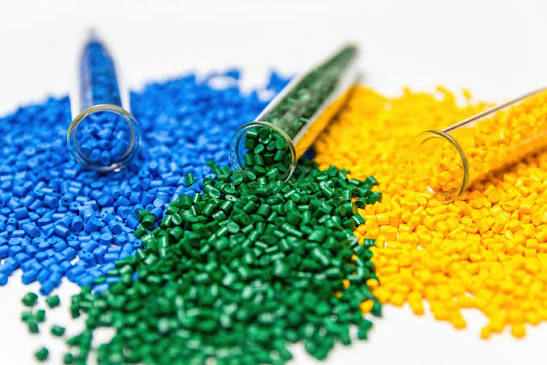

Pharmaceutical
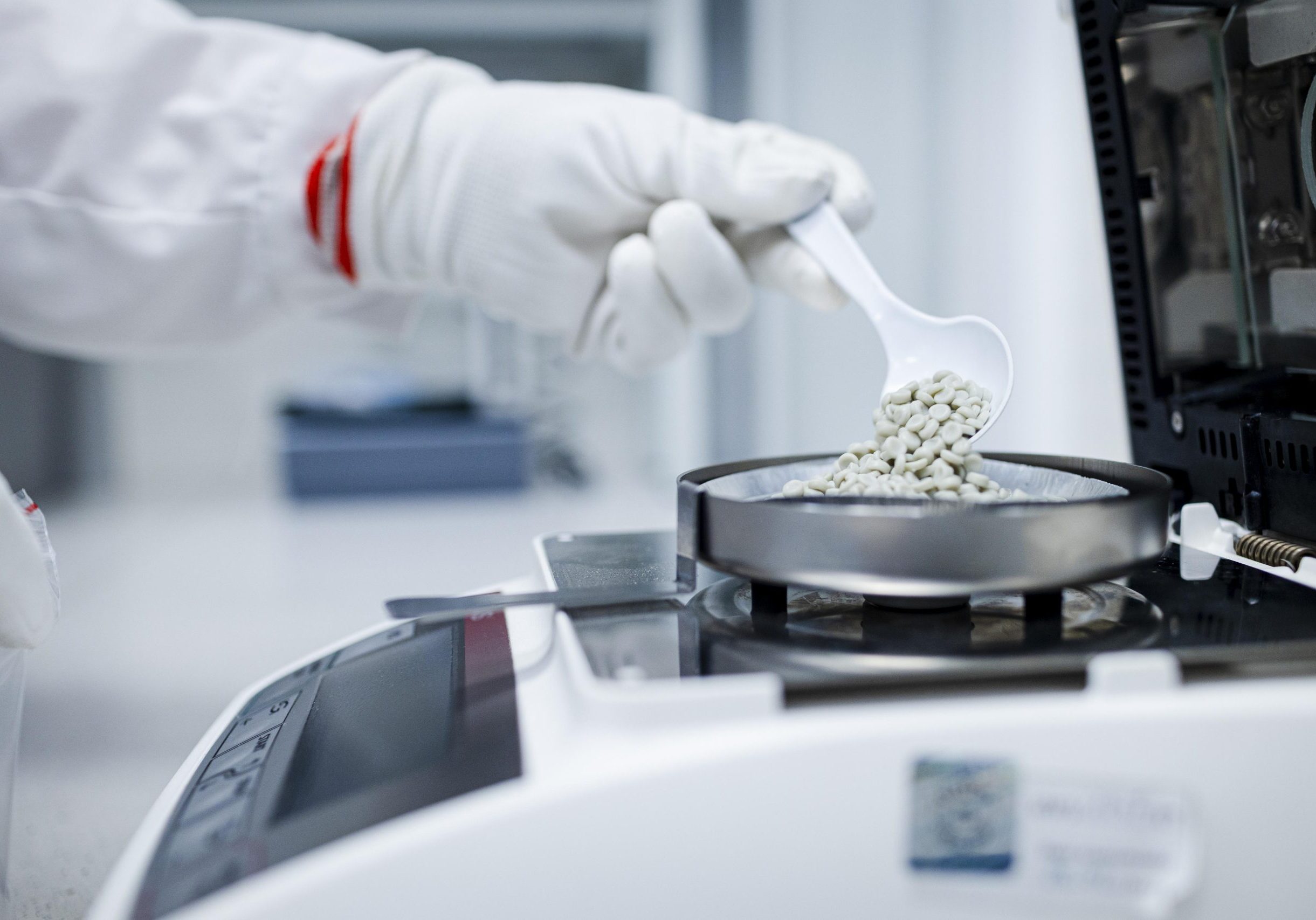
Pharmaceutical manufacturers rely on FTIR and Raman spectroscopy to verify raw material integrity, ensure product quality, and support regulatory compliance throughout production.
01 - Raw Material Identification
FTIR and Raman spectroscopy provide rapid and non-destructive identification of raw materials by analyzing their unique molecular fingerprints.
Typical Applications
- Polymer identification
- Incoming raw material inspection
- Supplier qualification
- Material authentication
- Quality control testing
02 - Raw Material Ingredient Verification
Confirm the composition and integrity of raw material ingredients through molecular-level analysis. FTIR and Raman spectroscopy can verify whether materials meet specified requirements by comparing spectral signatures against approved standards and reference databases. This enables manufacturers to detect substitutions, inconsistencies, or contamination before materials enter the production process.
Typical Applications
- Ingredient verification
- Material conformity testing
- Batch release testing
- Detection of adulteration
- Production quality assurance
03 – Spectral Fingerprinting
Generate unique spectral fingerprints for rapid identification and comparison of materials. Every material possesses a characteristic vibrational spectrum that serves as a chemical fingerprint. By comparing measured spectra with reference libraries, unknown materials can be identified and authenticated with a high degree of confidence.
Typical Applications
- Library-based material identification
- Product authentication
- Batch-to-batch comparison
- Counterfeit detection
- Unknown sample analysis
04 – Sample Characterization
Obtain comprehensive chemical and physical information about a sample through advanced spectroscopic analysis. FTIR and Raman microscopy can characterize material composition, particle morphology, particle size, and distribution while simultaneously identifying the chemical nature of individual particles.
Typical Applications
- Material composition analysis
- Particle characterization
- Microplastics identification
- Surface and residue analysis
- Research and development investigations
- Product performance evaluation
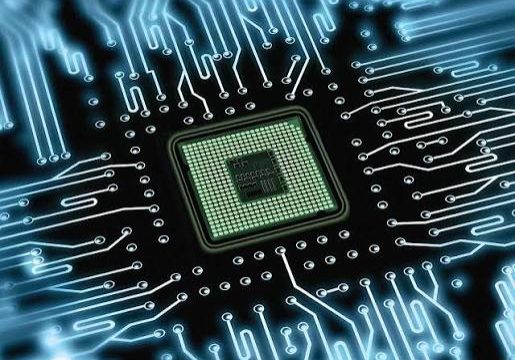
Semiconductor & Electronics
01 – Material Identification
FTIR and Raman spectroscopy provide rapid, non-destructive identification of materials by analyzing their unique molecular and chemical signatures.
Typical Applications
- Polymer and plastic identification
- Raw material verification
- Incoming quality control
- Research and development
- Microplastics characterization
02 - Contamination Investigation
Identify and characterize unknown contaminants, foreign particles, residues, and process-related impurities that impact product quality or performance. FTIR and Raman microscopy allow users to analyze individual particles and determine their chemical composition with high confidence. Through spectral library matching, contaminants can be traced to their source, enabling faster root cause analysis and corrective action implementation.
Typical Applications
- Foreign particle identification
- Manufacturing contamination analysis
- Cleanliness verification
- Environmental particle investigation
- Root cause analysis of process defects
03 – Surface/material characteristics
Characterize the chemical composition, morphology, and physical properties of materials and particles at the microscopic level. FTIR and Raman microscopy can provide detailed information on particle size, shape, aspect ratio, distribution, and chemical composition.
Typical Applications
- Particle morphology analysis
- Surface residue characterization
- Material composition assessment
- Microplastics and particle characterization
- Coating and thin-film investigations
- Defect and inclusions analysis
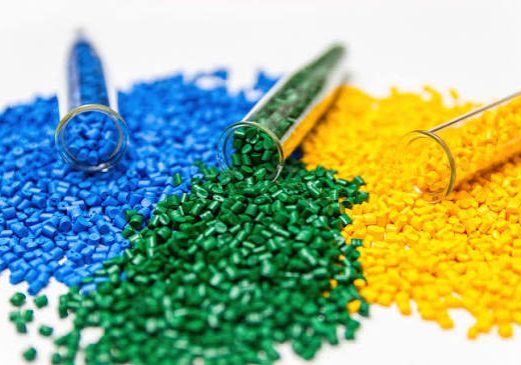
Polymers
01 - Polymer Identification
FTIR and Raman spectroscopy enable rapid and reliable identification of polymer materials through their unique molecular fingerprints. By comparing measured spectra against extensive reference libraries, polymers such as polyethylene (PE), polypropylene (PP), polyamide (PA), acrylics, PET, and other engineering plastics can be identified with high confidence. This capability is essential for microplastics analysis, quality control, material classification, and regulatory compliance.
Typical Applications
- Plastic resin verification
- Microplastics characterization
- Recycled material analysis
- Polymer sorting and classification
02 - Material Verification
Verify incoming raw materials, finished products, and production batches against approved specifications. FTIR and Raman provide a fast, non-destructive method for confirming material identity and consistency, ensuring that the correct material is used throughout manufacturing processes.
Typical Applications
- Raw material inspection
- Supplier qualification
- Incoming quality control
- Product authentication
- Batch-to-batch consistency checks
03 - Contamination Investigation
Identify contamination sources specific to polymer processing — mold release agents, additive migration, foreign polymer fragments in recycled feedstock, or residual monomers. FTIR and Raman microscopy pinpoint these at the particle level, helping manufacturers isolate whether contamination originated in raw material, compounding, or molding.
Typical Applications
- Unknown particle contamination
- Cleanliness verification
- Process contamination tracing
- Environmental particulate analysis
- Manufacturing defect investigations
04 - Failure Analysis
Determine material degradation, chemical changes, and root causes of product failures. FTIR and Raman reveal molecular-level information associated with oxidation, thermal degradation, chemical attack, stress cracking, and polymer aging. When integrated with microscopic imaging, failure regions can be localized and chemically characterized with high precision.
Typical Applications
- Cracked plastic components
- Coating delamination
- Material aging studies
- Oxidation and degradation assessment
- Forensic material investigations
05 - Unknown Material Identification
Identify unknown solids, powders, fibers, particles, films, and residues without prior knowledge of composition. FTIR and Raman spectroscopy generate unique spectral fingerprints that can be matched against comprehensive databases, providing rapid and reliable chemical identification of materials across numerous industries.
Typical Applications
- Unknown particle analysis
- Customer-return investigations
- Research and development
- Industrial troubleshooting
- Environmental and forensic analysis
See Our Application Expertise in Action
Not sure whether FTIR or Raman is the right solution for your sample? See how our specialists approach an analytical challenge—from sample assessment to analysis and interpretation.
Technical & Service Support
Our support doesn't stop after installation. From preventive maintenance and performance verification to troubleshooting and user support, our technical team helps laboratories maintain reliable spectroscopy operations.
Looking for FTIR & Raman Solution
Not sure whether FTIR or Raman is suitable for your sample? Tell us about your application and our specialists will help you explore the appropriate analytical approach.