
How Millennium Merlin Using AFS Enables Selenium Speciation for Superior Product Quality
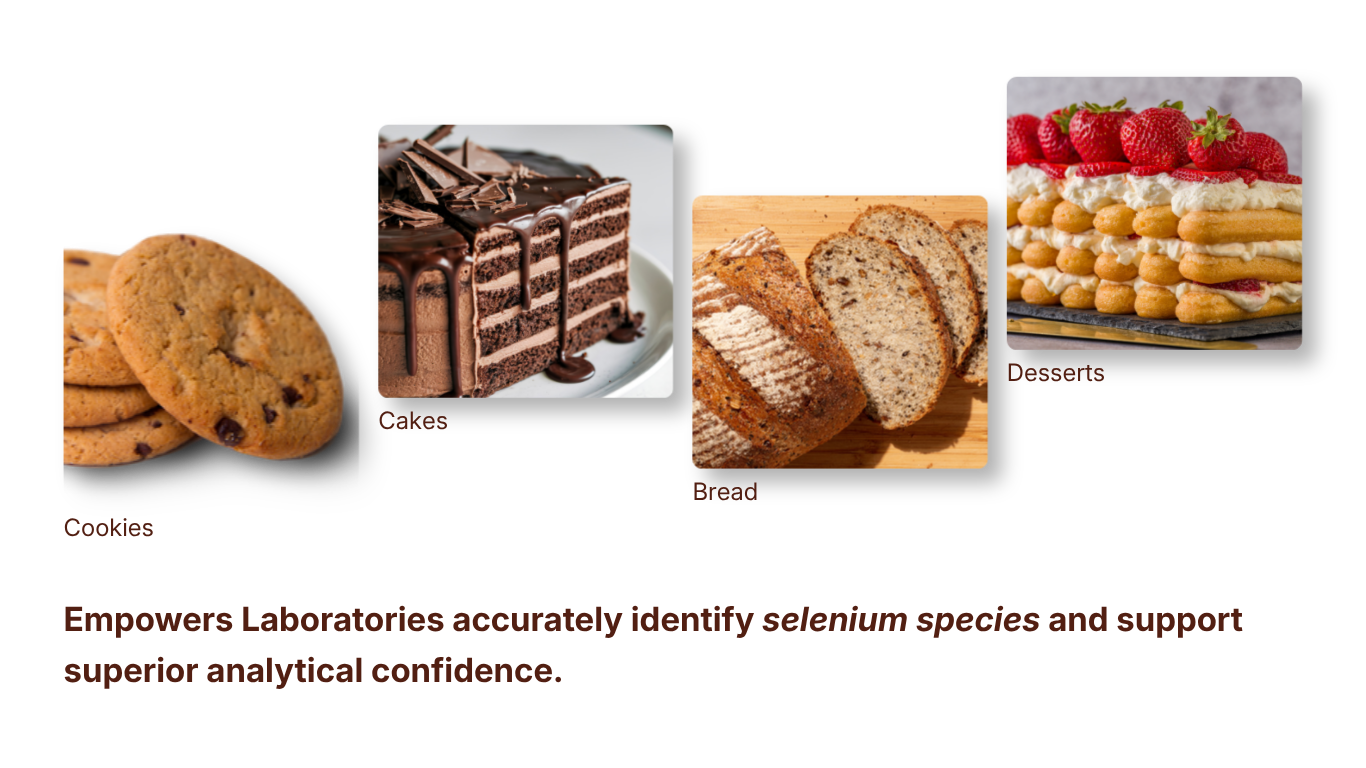
In today’s food, nutraceutical, and supplement industries, selenium analysis goes beyond measuring total selenium concentration. Different selenium species provide different nutritional values, bioavailability, and safety profiles, making selenium speciation increasingly important for quality-focused manufacturers.
Using advanced Atomic Fluorescence Spectrometry (AFS) technology, the Millennium Merlin system enables laboratories to separate and identify different selenium species with ultra-trace sensitivity and high analytical confidence.
Why Selenium Speciation Matters
Not all selenium compounds behave the same way in the human body. Some selenium species are highly beneficial and bioavailable, while others may offer lower nutritional value or higher toxicity risks at elevated concentrations.
Common selenium species include:
- Selenomethionine – highly bioavailable and nutritionally valuable
- Selenite / Selenate – inorganic forms with different metabolic behavior
- Other organoselenium compounds used in supplements and fortified products
Measuring only total selenium does not provide sufficient insight into product quality. Selenium speciation analysis helps manufacturers determine:
✔ Which selenium species are present
✔ The nutritional quality of the formulation
✔ Consistency between production batches
✔ Compliance with product claims and regulatory requirements
How Millennium Merlin Uses AFS for Selenium Speciation
The Millennium Merlin system combines Atomic Fluorescence Spectrometry (AFS) with advanced separation techniques such as HPLC to achieve precise selenium speciation analysis.
The analytical workflow:
- HPLC (High-Performance Liquid Chromatography) separates individual selenium species
- AFS (Atomic Fluorescence Spectrometry) detects selenium with ultra-trace sensitivity and high selectivity
This combination allows laboratories to:
- Differentiate beneficial selenium compounds from less desirable forms
- Detect selenium species at ultra-low concentrations
- Reduce interference commonly associated with traditional techniques
- Achieve reliable routine analysis with cost-effective operation
Ultra-Trace Detection for Better Product Quality
With increasing demand for premium nutritional products and functional foods, manufacturers require more precise analytical tools to maintain product consistency and market competitiveness.
The ultra-trace detection capability of Millennium Merlin helps industries:
✔ Select the right selenium source for product formulation
✔ Improve product consistency and nutritional value
✔ Support high-quality manufacturing standards
✔ Strengthen consumer confidence and brand reputation
✔ Deliver superior product quality within the regional market
For industries producing selenium-enriched products, accurate selenium speciation is becoming a key differentiator in achieving premium quality and regulatory confidence.
Accurate selenium speciation helps manufacturers produce higher-quality selenium-enriched products with improved consistency, stronger regulatory confidence, and better market differentiation.
As consumer expectations and regulatory requirements continue to rise, selenium speciation analysis is becoming essential for manufacturers seeking to deliver safe, consistent, and high-quality products.
By combining advanced separation techniques with ultra-trace AFS detection, the Millennium Merlin system empowers laboratories to accurately identify selenium species and support superior analytical confidence.
Frequently Asked Questions
- What is selenium speciation analysis?Selenium speciation analysis identifies and quantifies different chemical forms of selenium rather than measuring only total selenium concentration.
- Why is selenium speciation important?Different selenium species have different nutritional value, bioavailability, and toxicity profiles, making speciation critical for product quality and safety.
- What analytical method is used for selenium speciation?HPLC coupled with Atomic Fluorescence Spectrometry (HPLC-AFS) is commonly used due to its ultra-trace detection capability and strong selectivity.
- What are the advantages of AFS for selenium analysis?AFS-based selenium speciation offers:
- High sensitivity
- Strong selectivity for selenium compounds
- Lower operational cost
- Simplified routine workflowThis makes Millennium Merlin a practical and reliable solution for laboratories involved in:
- Food and beverage testing
- Nutraceutical analysis
- Supplement manufacturing
- Research and quality control
Ready to find out more?
Click Here to Request Application Note