
New Knowledge Center
Mercury Analysis in Fish: Advanced Analytical Methods for Food Safety in the Food & Beverage Industry

Food safety is a critical priority in the Food & Beverage industry, ensuring that products remain safe and compliant from production to consumption. One of the most significant risks comes from trace metal contamination , particularly mercury, arsenic, selenium, and antimony, which are commonly introduced through dietary exposure. Among these, mercury contamination in fish and…
Read MoreHow Millennium Excalibur Using AFS Enables Selenium Speciation for Superior Product Quality

In today’s food, nutraceutical, and supplement industries, selenium analysis goes beyond measuring total selenium concentration. Different selenium species provide different nutritional values, bioavailability, and safety profiles, making selenium speciation increasingly important for quality-focused manufacturers. Using advanced Atomic Fluorescence Spectrometry (AFS) technology, the Millennium Excalibur system enables laboratories to separate and identify different selenium species with ultra-trace…
Read MoreSeawater Analysis | AFS Analysers
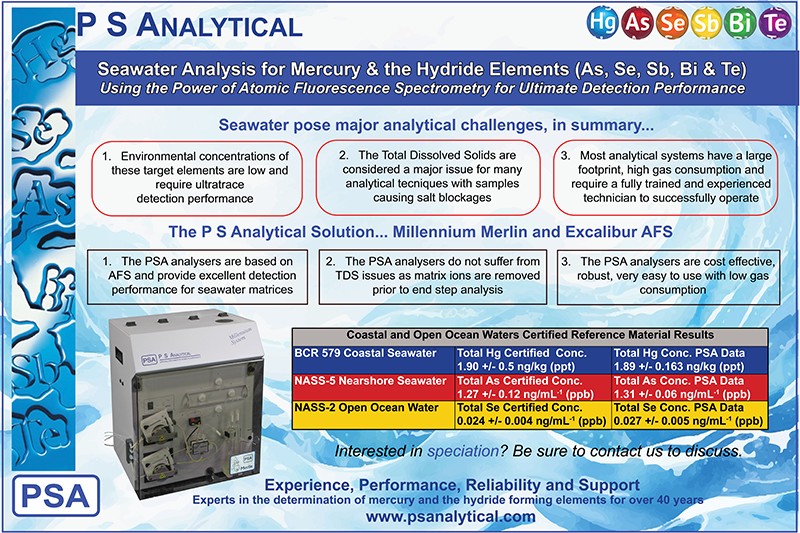
For many laboratories, Seawater analysis for mercury and hydride-forming elements presents significant analytical challenges due to ultra-trace concentration levels and high total dissolved solids (TDS). Achieving accurate and reliable results requires highly sensitive and selective techniques such as Atomic Fluorescence Spectrometry (AFS). Determination of trace elements in seawater is particularly demanding due to several factors:…
Read MoreMaximizing Rubber Performance: The Essential Role of High Forces DMA GABO EPLEXOR 500 N in Tire Testing
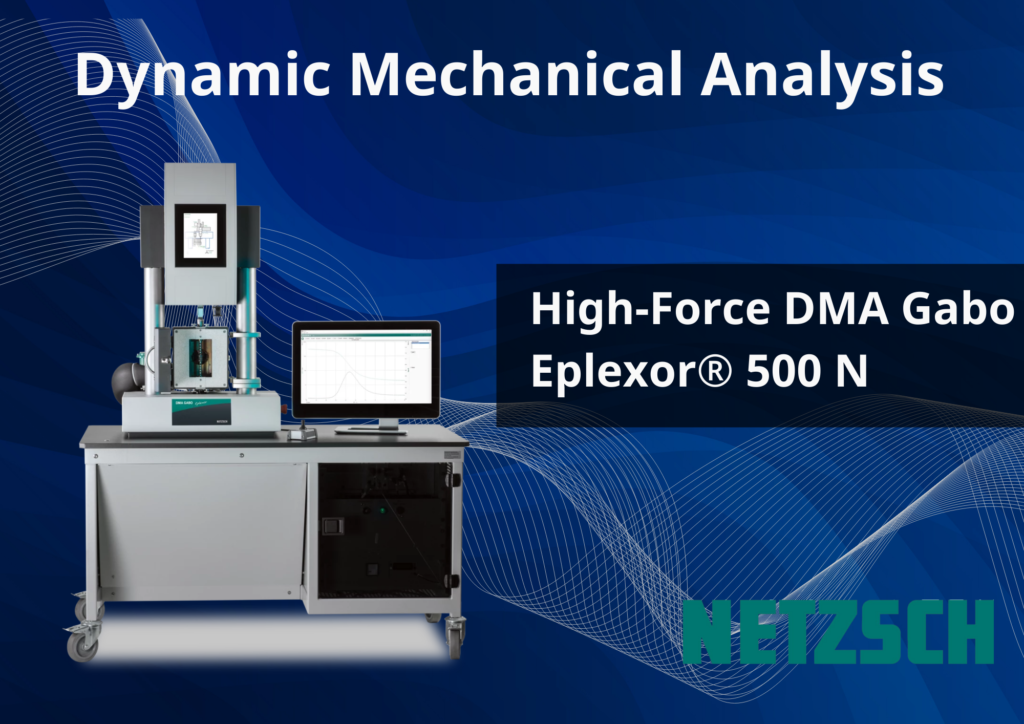
For the automobile tyre business to ensure efficiency and safety on the road, rubber compound performance and durability must be optimized. A valuable instrument for material testing, the High Forces DMA GABO EPLEXOR 500 N provides accurate information on the characteristics of materials under many circumstances. It is an essential part of the tire development…
Read MoreNear-Infrared Food Analyzer: Unity® SpectraStar™ XT series
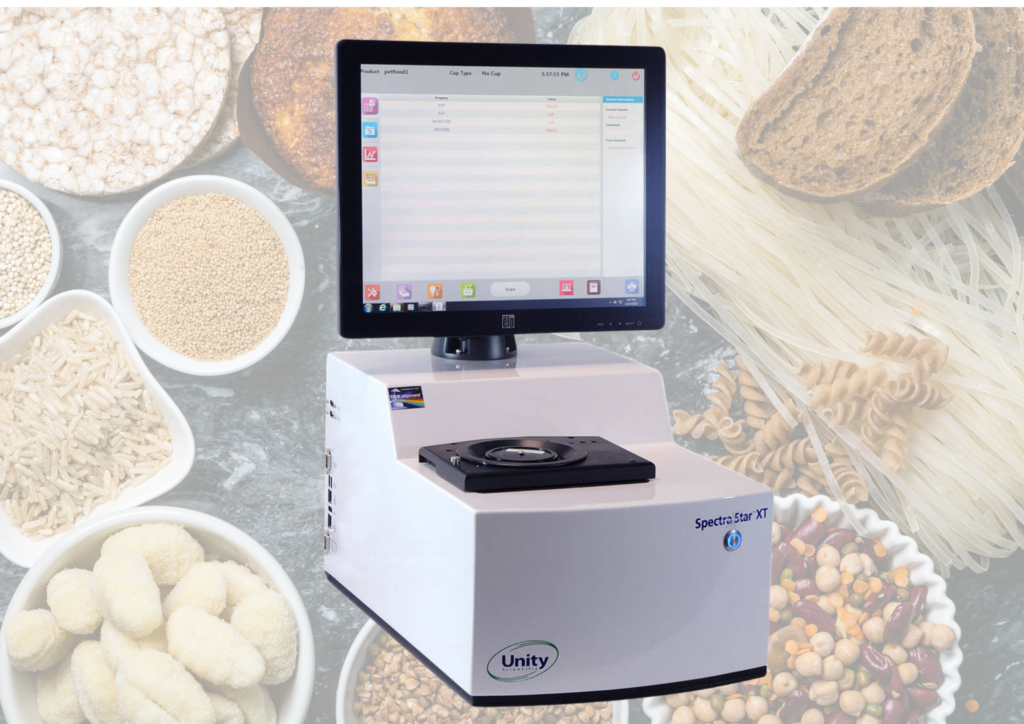
The Unity® Scientific SpectraStar™ XT NIR Analyzer Series is a comprehensive line of solutions for laboratory and at-line compositional analysis for an extensive range of food samples such as wheat, flour, snacks, chocolate, feed, forage products etc. The compact bench top model with user-friendly UScan software interface, it allows you to effortlessly conduct a comprehensive…
Read MoreThe Differences of DSC 300 Caliris® Supreme and Select
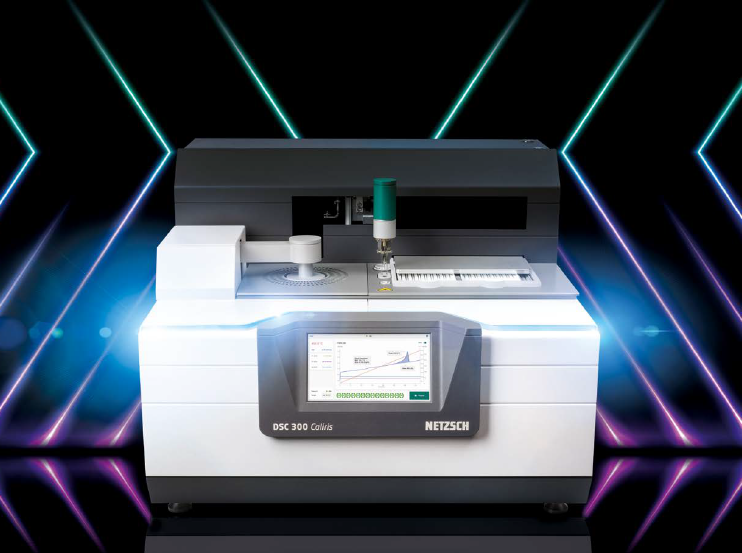
DSC 300 Caliris® Supreme & Select The newly launch DSC 300 Caliris® is designed to meet customers’ demands of modularity, flexibility & simple operating procedures. The Caliris® is available in 2 versions the Supreme or Select. DSC 300 Caliris® Supreme – comes with 3 modules that is interchangeable by customers. This upgrade makes it possible…
Read MoreDETERMINATION OF MERCURY (Hg), ARSENIC (As), SELENIUM (Se), ANTIMONY (Sb) AND BISMUTH IN CLINICAL SAMPLES USING ATOMIC FLUORESCENCE SPECTROMETRY
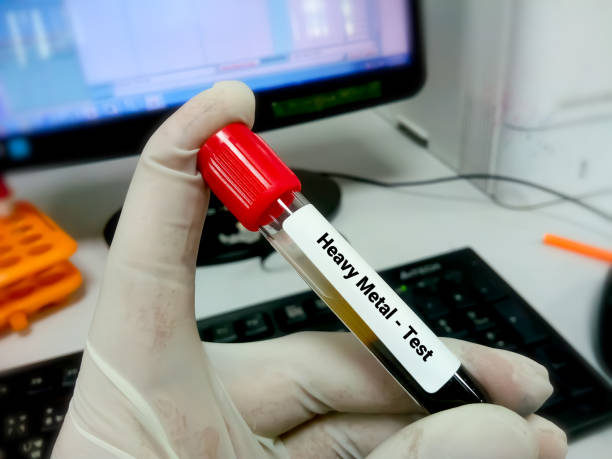
The determination of toxic metals Hg, As and Sb in biological samples of humans is an important clinical screening procedure. Exposure of these metals from the diet, local surroundings and industrial & occupational processes can lead to serious and significant health issues.
Analyzing the total concentration of these elements is important but, by no means, the whole story.
USING ATOMIC FLUORESCENCE SPECTROMETRY FOR THE DETERMINATION OF MERCURY (Hg), ARSENIC (As), SELENIUM (Se), ANTIMONY (Sb) IN ENVIRONMENTAL SAMPLES

Soils are the major sink of these metal contaminants, while in aquatic systems, sediments are the major recipients for these pollutants. With the addition of analyte separation capabilities (which is becoming more routine) allowing for speciation studies, PSA offers powerful analytical tools to help contract laboratories, research teams and regulators alike with these determinations.
Read MoreUSING ATOMIC FLUORESCENCE SPECTROMETRY FOR THE DETERMINATION OF MERCURY, ARSENIC, SELENIUM & ANTIMONY FROM FOOD, FEED AND BEVERAGE SAMPLES

The consumption of food and drink is one of the main sources of exposure to toxic metals. Selenium, is an essential nutritional element and is often added as a supplement
to food for health benefits. It is also an important element in animal feed to ensure livestock wellbeing. Coupling Atomic Fluorescence Spectrometry (AFS) with either cold vapour generation or hydride generation has been PSA’s core
competency for over 35 years.
ONLINE WASTEWATER ANALYSIS FOR THE DETERMINATION OF MERCURY(Hg), ARSENIC (As), SELENIUM (Se) AND ANTIMONY (Sb) USING ATOMIC FLUORESCENCE SPECTROMETRY

In recent years wastewater treatment plants have been installing technologies to capture and remove the metals. The efficiency of these treatment processes needs to be monitored using accurate analytical systems.PS Analytical offers 2 fully automated online wastewater analysers are PSA 10.226 Online Hg and PSA 10.256 Online Excalibur (for As/Se)
Read More