
New Knowledge Center
HOW TO TEST PLASTIC MATERIAL PROPERTIES?
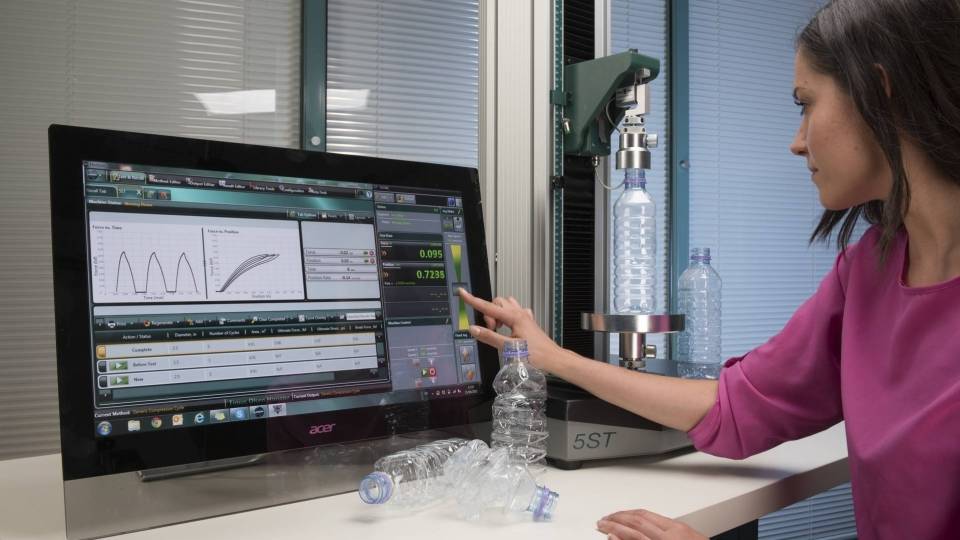
Here is a list of common test methods used to evaluate plastics. They tell you how to check tensile and flexural properties, stiffness, impact, hardness, flammability, etc. Where applicable, ASTM specs are given as sources for more detailed information.
Read MoreWHAT IS DYNAMIC CONTACT ANGLE (DCA)?
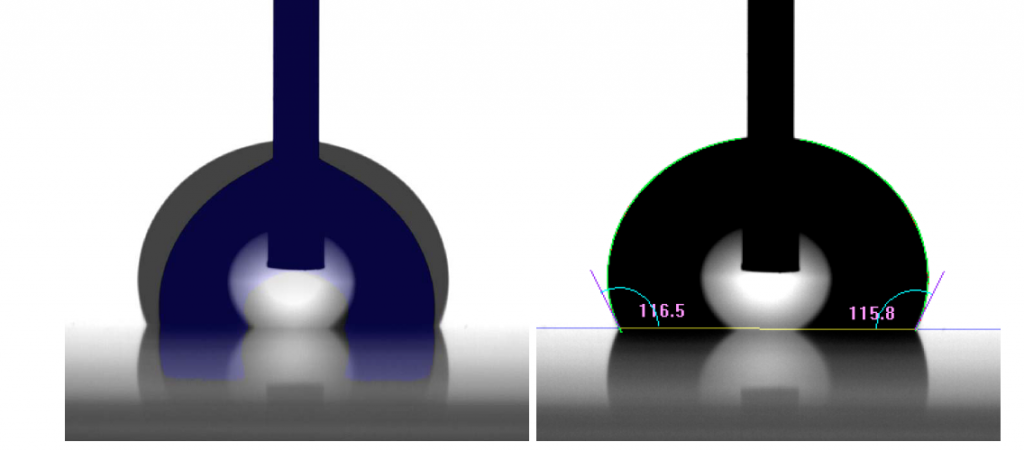
When we talk about “Dynamic Contact Angle” (DCA), there are two quite different subjects that may be addressed:
– Time-Dependent Contact Angle (tDCA)
– Motion-Dependent Contact Angle (mDCA)
FREQUENTLY ASKED QUESTIONS (FAQs) FOR MELT FLOW INDEXER (MFI)
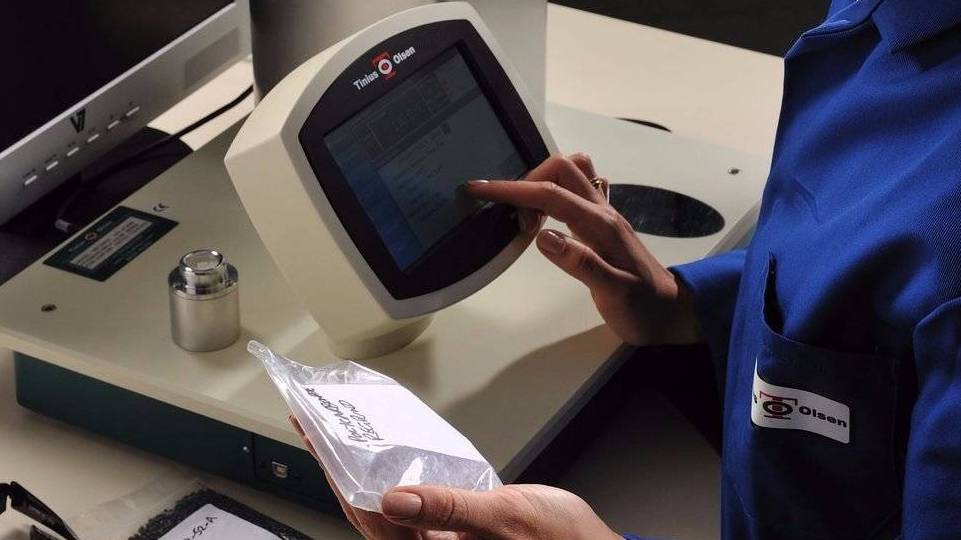
How Does Melt Flow Indexer Works? It heats and compresses thermo-softening resin, then measures resin extrusion rate through an orifice, under carefully carefully controlled conditions such as..
Read MoreDETERMINATION OF ELEMENTS
Find a collection of atomic fluorescence spectroscopy videos & application notes which provide an understanding about what is Atomic Fluorescence Spectroscopy & some Tips and Tricks.
Read MoreNANOSCALE IMAGING & SPECTROSCOPY SOLUTIONS
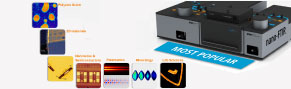
Watch for series of nano-FTIR recorded webinar & tutorial videos which provide understanding on various applications and basic principles and data-analysis held by near-field microscopy experts.
Read MoreHIGH PERFORMANCE THIN LAYER CHROMATOGRAPHY (HPTLC)
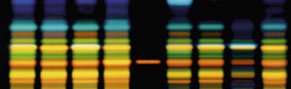
Find typical examples from research and industry, mainly written from customers, are demonstrated in each issue. Articles come from a broad variety of application fields.
Read MoreMATERIAL/PHYSICAL TESTING

Watch for series of material/ physical testing videos which provide a helpful instrument guide and its application in different areas.
Read MorePARTICLE CHARACTERIZATION

Find a collection of webinars and application notes related to Particle Characterization.
Read MoreTHERMAL ANALYSIS & RHEOLOGY ACADEMY

Watch for series of rheology & thermal analysis recorded webinar which provide an understanding on different thermal analysis & rheology measurements and its common applications.
Read MoreESSENTIAL TOOLS FOR POLYMER CHARACTERIZATION
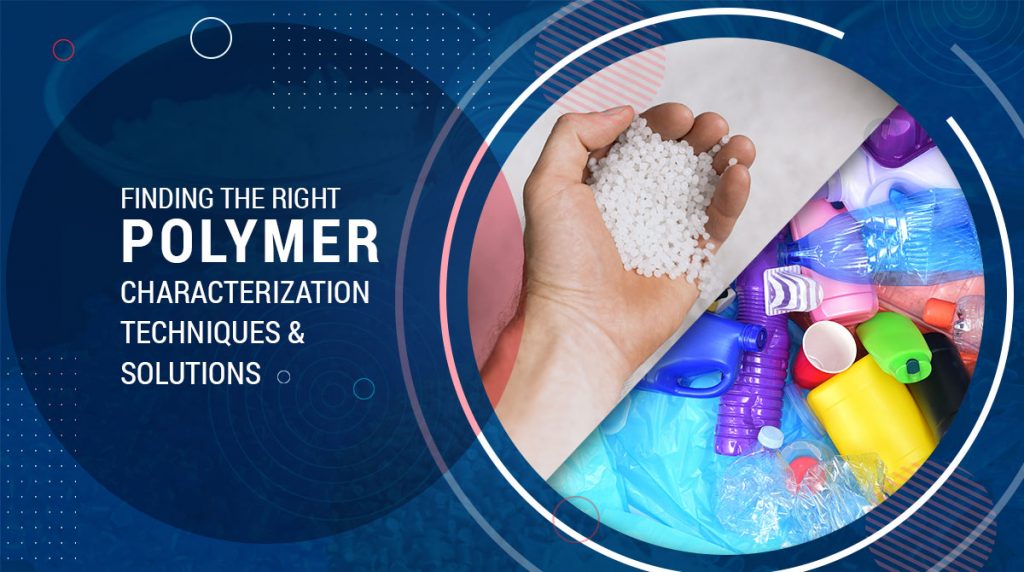
Polymer characterization is important in developing new polymers as well as maintaining quality control in manufacturing processes. As such, many characterization techniques should ideally be linked to the desirable properties of the material, hence analytical techniques are typically used to determine molecular structure, molecular mass / chain length, thermal properties and mechanical properties.
Read More