
Optical Tensiometers and Contact Angle Measurement for the Semiconductor Industry
Published: 5 Nov 2026
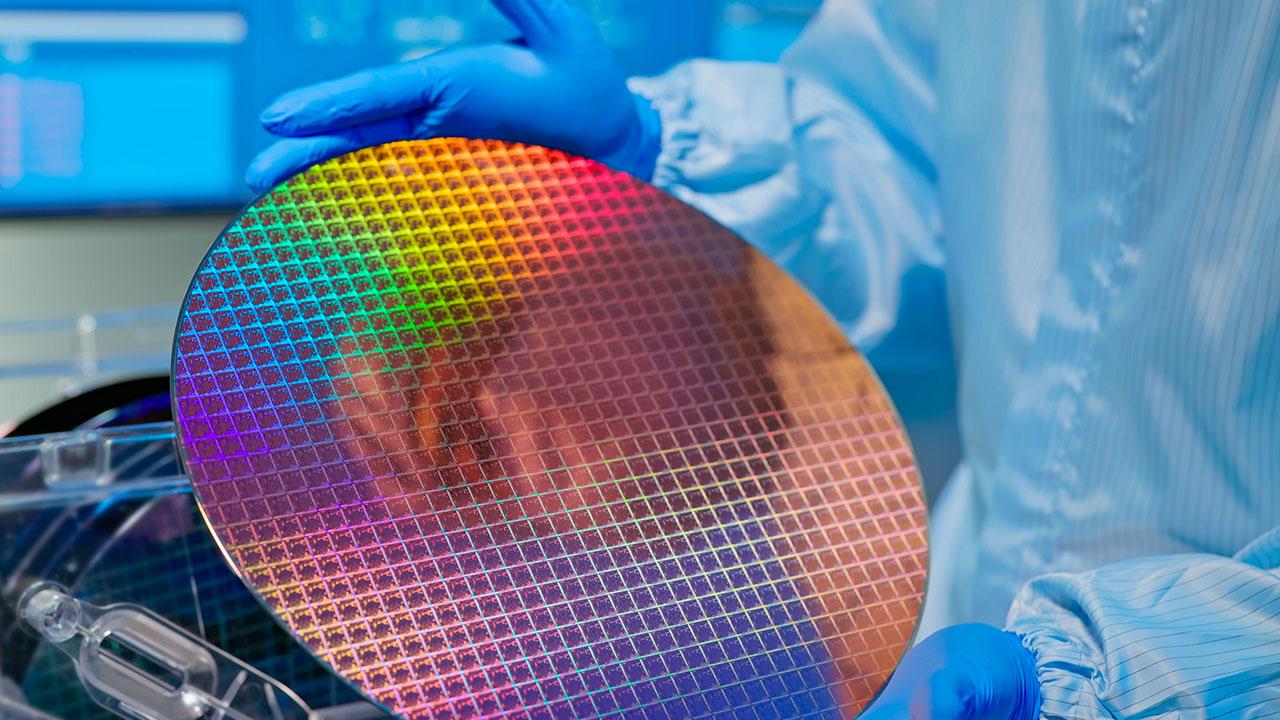
A wafer can look clean and still behave differently once the next liquid touches it. The cause is often invisible: surface wettability. Contact angle and surface tension make it visible, and LAUDA Scientific instruments from Nexus Analytics measure them in seconds, without touching the surface.
Why wetting decides yield?
Most wet steps, from coating and etching to cleaning, flux and soldering, depend on how a liquid meets a solid. Two numbers describe it: the contact angle of a drop on the solid and the surface tension of the liquid. Contact angle is sensitive to the outermost molecular layer, so it is a fast, non-destructive check of surface condition, though it does not prove on its own that a wafer is clean. An optical tensiometer gives both numbers with one camera: a sessile drop for contact angle, a pendant drop for surface tension.
Relevant application to semiconductor industry:
1. Substrate contact angle and surface free energy before and after chemical washing
Compare a wafer before and after chemical washing with numbers instead of visual inspection:
- Pass/fail - A higher contact angle or lower polar SFE after a wash point to residue.
- Uniformity - Several positions show whether the wash reached the whole surface.
- Drift - Logging per batch or bath age catches a depleting bath.
- Hysteresis - Advancing versus receding angle reveals roughness and heterogeneity.
2. Surface tension of cleaning agents, process liquids and soldering materials
How it is measured. A Du Noüy ring or Wilhelmy plate gives static values, a bubble pressure tensiometer gives dynamic values, and a drop volume tensiometer gives dynamic interfacial tension. A pendant drop on an optical system such as the LSA100 or OT100 adds CMC measurement on the same camera platform used for contact angle.
Where it matters in semiconductor and electronics processes
- Cleaning baths - Water is about 72.8 mN/m at 20 °C and isopropanol about 22 mN/m. Comparing fresh and aged baths shows whether the surfactant still works.
- Incoming lot QC - A quick check catches wrong dilution or contamination.
- Dynamic behaviour - Change over seconds helps compare surfactants for spray or spin processes.
- Flux and solder paste vehicles - Compare formulations and batches at room temperature.
- Soldering - Molten tin-based alloys are very roughly 400 to 550 mN/m, depending on alloy, temperature and atmosphere, and flux lowers the interfacial tension. A solder drop's contact angle shows wetting quality. Molten metals need a high-temperature cell, so ask Nexus Analytics which configuration fits.
For routine monitoring of cleaning baths and incoming liquids, a force or bubble pressure tensiometer is usually the quicker choice; see the instruments below.
How much surfactant is enough? Critical micelle concentration (CMC)
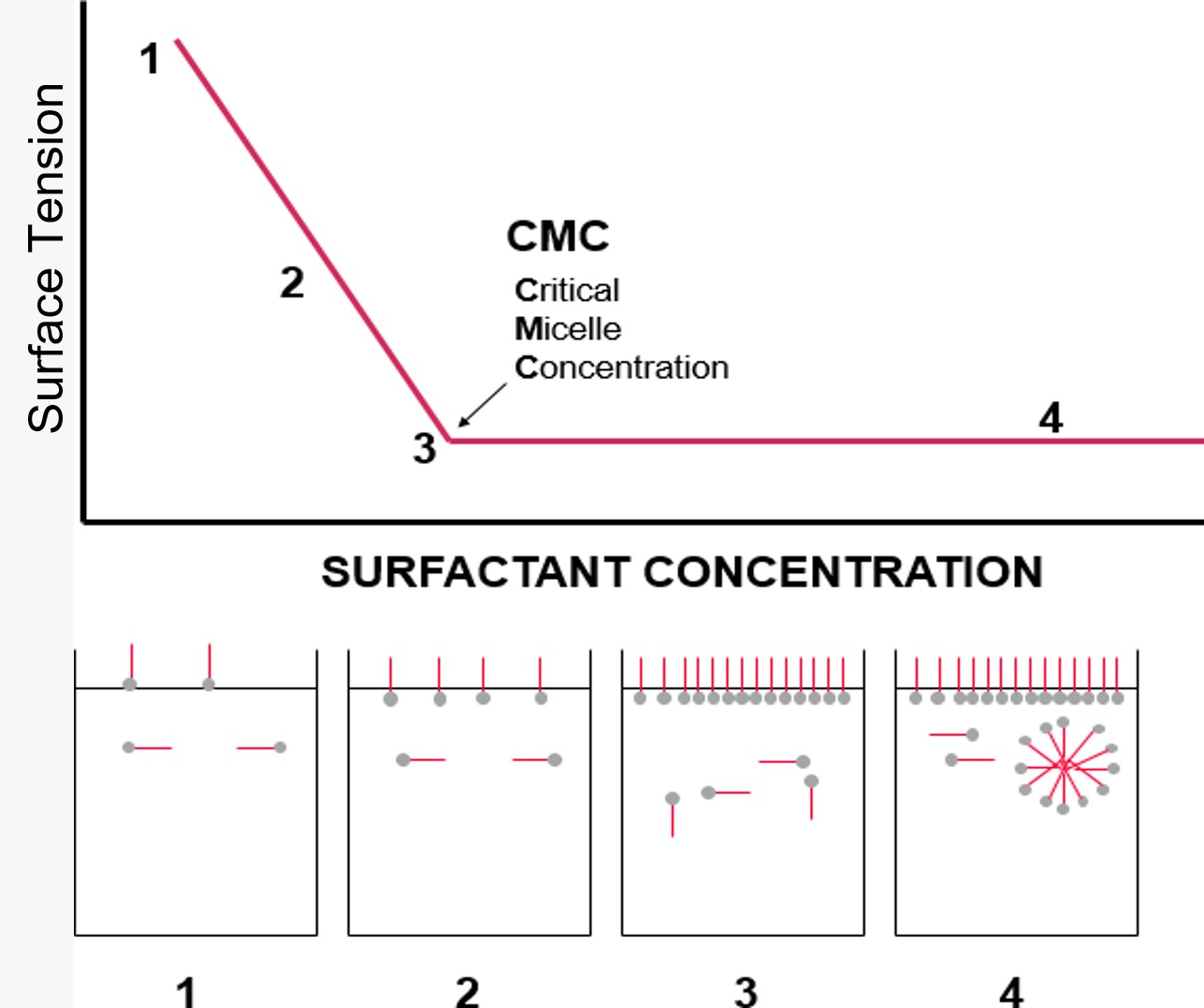
More surfactants do not always help. Surface tension falls as surfactant collects at the surface, then levels off once micelles form: the critical micelle concentration (CMC). Plotting surface tension against concentration shows where the curve flattens, which helps compare surfactants and choose a concentration, although CMC is not automatically optimal for every cleaning job. Nexus Analytics lists CMC measurement for the LSA100, OT100 and Du Noüy ring tensiometers such as the TD5.
What Nexus Analytics offers?
Surface analysers: contact angle, surface free energy and pendant drop
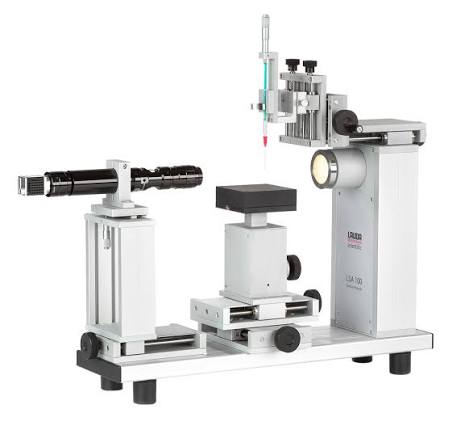
LSA 100
- Measures - Contact angle, surface free energy, pendant-drop surface and interfacial tension, CMC
- Best suited for - Wafer wettability before and after cleaning; R&D and quality inspection
- Highlights - Many drop calculation methods including True Drop; up to two integrated dosing systems depending on model; automatic interfacial tension and CMC
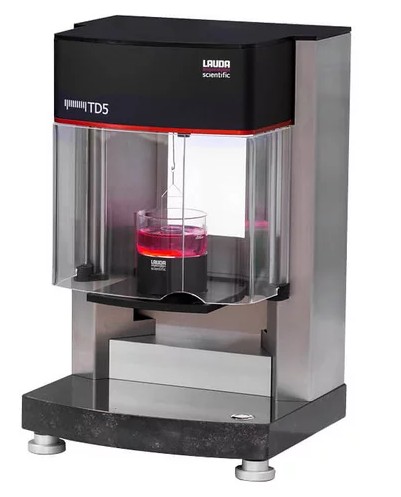
TD5 tensiometer
- Measures - Surface and interfacial tension of liquids
- Best suited for - cleaning baths, surfactant solutions, batch-to-batch consistency
- Highlights - Force-based Du Noüy ring and Wilhelmy plate methods; automatic operation
Looking to understand your wafer surface or improve a cleaning formulation? Contact Nexus Analytics at info@nexus-analytics.com.my or Whatsapp Chat with us to discuss your contact angle, surface tension and CMC measurement needs.